
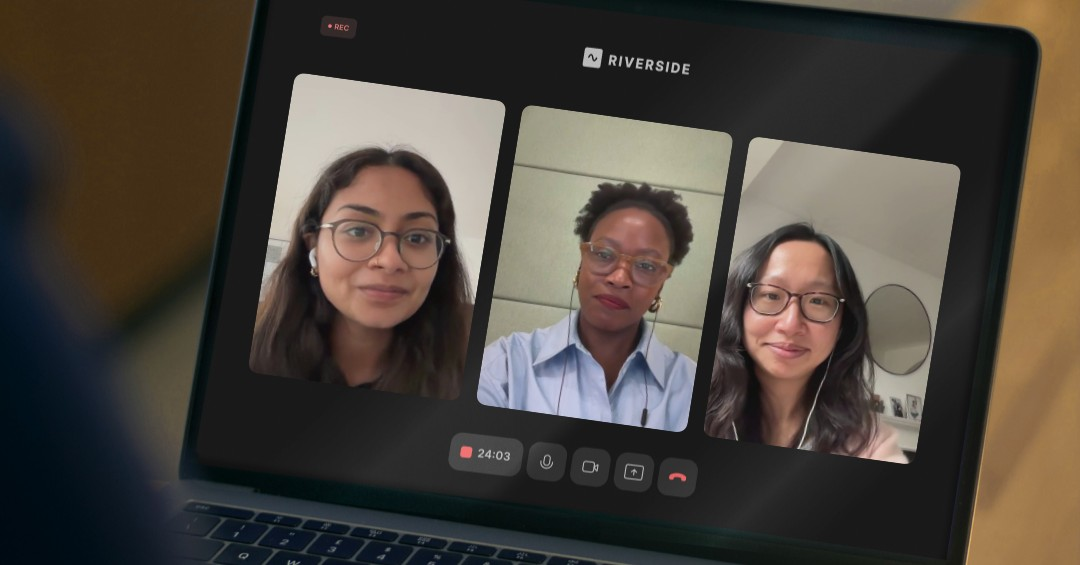
To celebrate International Women’s Day, we gathered insights from two female leaders in the UK social impact space: Bonnie Chiu, Managing Director of The Social Investment Consultancy (TSIC) and Natsayi Sithole, CEO of Renaisi-TSIP. They shared their experiences and thoughts on leadership, empowerment, and the ongoing challenges faced by women, particularly women of color, in a traditionally male-dominated sector.
This blog highlights key takeaways from our discussion, focusing on what it truly means to lead and make a difference in today’s world.
How They Describe Their Paths
In our conversation, we asked both leaders to describe their journeys to leadership in three words.
- Natsayi chose “complex, rewarding, fascinating,” reflecting the multifaceted nature of her experiences.
- Bonnie opted for “meandering, random, meaningful,” highlighting the unpredictable yet significant moments that shaped her career.
Both perspectives emphasize that the path to leadership is rarely linear and often filled with unexpected turns and valuable lessons.
Navigating Expectations
Bonnie elaborated on the societal expectations imposed on women. Growing up, she felt the pressure to balance family aspirations with career ambitions. This struggle is common among women, who often face the challenge of navigating traditional roles while pursuing their professional goals.
Natsayi echoed these sentiments, noting that her journey has been nonlinear, with each step contributing to her current role and purpose. She emphasized the importance of recognizing how past experiences influence present decisions and leadership styles.
Understanding Female Leadership in Practice
Creating Space for Others
For Bonnie, female leadership means actively creating space for others to thrive. She believes that as leaders, it’s essential to empower team members to reach their leadership potential, ensuring that everyone has the opportunity to contribute and grow. This approach fosters a supportive environment where collaboration can flourish.
Speaking Truth to Power
Bonnie also highlighted the necessity of speaking truth to power, especially in a sector that often shies away from challenging the status quo. As women leaders, they face unique challenges when calling out injustices, but Bonnie stresses the importance of doing so for the sake of equity and justice.
Natsayi reinforced this message, stating that accountability and support systems are crucial for women in leadership roles. She noted that having a network of allies who understand the challenges faced by women of color can provide essential encouragement and strength.
The Call to Action
Naming the Systemic Issues
A significant aspect of our discussion centered around the need to name and address systemic issues within the social sector. Bonnie pointed out the importance of acknowledging patriarchy and its impact on leadership dynamics. She emphasized the need for women leaders to be bold in their convictions and to seek allies who can help amplify their voices.
Natsayi took this further by addressing the need to recognize “white supremacist capitalist patriarchy” as a central organizing principle that must be challenged. She asserted that understanding these dynamics is vital for driving meaningful change and creating a more equitable future.
Empowering Others
Both leaders emphasized the importance of empowering others, particularly women and people of color, within the sector. Bonnie shared her experience of receiving support from male allies, demonstrating the value of fostering inclusive networks that champion equity. Natsayi noted that her growth was significantly influenced by women who recognized her potential and provided opportunities for her to thrive.
Conclusion
Our conversation with Natsayi and Bonnie illuminated the complexities and rewards of female leadership in the social impact sector. They shared invaluable insights into the importance of empowerment, accountability, and challenging systemic inequities. As we strive for a more just and equitable world, it’s clear that the role of female leaders is not only essential but transformative.
Listen to the full podcast: https://open.spotify.com/episode/6iMXZYXs75RpNlb1BccpBg?si=82jtevIkSPy2Q-vk4BXwGA