
An Interconnected World in Times of Change
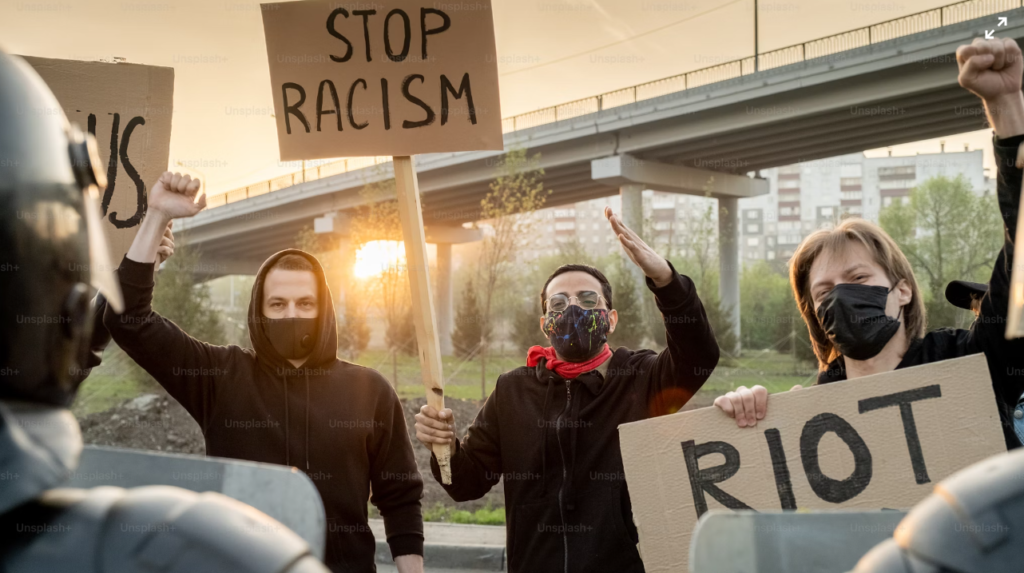
As I reflect on the recent riots in the United Kingdom, I can’t help but see these events as a microcosm of the global challenges we face as a world community. What began as localised protests in our cities resonates with similar movements across the planet, from the streets of Hong Kong to the squares of Santiago de Chile.
In this interconnected world, images of conflict and destruction spread rapidly, but so do stories of resilience and hope. The looted businesses in London, the burnt vehicles in Manchester, the traumatised communities in Birmingham – these are not merely local problems but manifestations of global tensions: inequality, discrimination, and lack of opportunities that transcend borders.
The Global Echo of Local Challenges
Events in the United Kingdom do not occur in a vacuum. Conflicts in the Middle East, geopolitical tensions between major powers, and the complex challenges facing Africa and Latin America—spanning social and political problems to deep economic inequalities and environmental challenges—all weave a complex web that influences our daily lives, regardless of where we find ourselves. This global interconnection reminds us that the struggles for justice, equality, and human dignity are universal and deeply intertwined.
Grassroots organisations, not only in our country but around the world, find themselves on the front lines of these challenges. From groups working with refugees in Greece to collectives fighting poverty in India, these organisations face increasing pressure. The complexity of global problems is reflected in the local needs they attempt to address.
Debates on community cohesion, fluctuations in food and energy prices, and the struggle to maintain support for local issues amidst international crises are challenges shared by communities worldwide.
Seeking Light in a Global Landscape
However, amidst this seemingly bleak panorama, I see reasons for hope that transcend borders and cultures. Around the world, from the favelas of Rio de Janeiro to the suburbs of Nairobi, from the neighbourhoods of Barcelona to remote villages in Indonesia, there are people working tirelessly to build bridges, foster dialogue, and create opportunities for all.
The global interconnection that often amplifies our challenges also serves as a powerful tool for positive change. I have witnessed how social networks and digital platforms allow innovative ideas to spread rapidly, inspiring similar actions in vastly different contexts. An urban agriculture project in Detroit can inspire similar initiatives in Johannesburg or Mumbai, creating a global network of local solutions.
Grassroots organisations, not only in the United Kingdom but worldwide, demonstrate astounding resilience and adaptability. In Latin America, women’s collectives lead the fight against gender violence. In Southeast Asia, farmers’ cooperatives are developing sustainable practices that could be key to global food security. In Africa, young entrepreneurs are leapfrogging technological stages, creating mobile solutions that address everything from education to healthcare.
This ability to pivot and respond to changing community needs, even in a turbulent global context, is not just inspiring; it’s proof of human ingenuity and determination. Each of these initiatives, however local, contributes to a global tapestry of change and hope.
The Promise of Innovation and Global Collaboration
Technology and innovation play a crucial role in our ability to address global challenges. Digital platforms connect activists worldwide, allowing them to share knowledge and strategies. Artificial intelligence and big data are being used to predict and mitigate humanitarian crises. In the hands of committed individuals, these tools have the power to catalyse positive change on an unprecedented scale.
However, it is crucial to remember that technology is only part of the solution. Equally important is working directly with people in their own contexts, listening to and learning from their unique experiences. True innovation emerges when we combine technological possibilities with local wisdom and traditional knowledge. It is crucial that we strive to hear and amplify diverse voices, especially those that have historically been marginalised or silenced.
Moreover, we are witnessing an increase in international collaboration at the grassroots level. Organisations from different countries share knowledge, resources, and strategies, creating a global solidarity network that transcends political and economic divisions. This collaboration, which combines the best of technology with direct human contact, reminds us that while our challenges may be global, our solutions can be, too, as long as they are rooted in local realities and needs.
A Call for Global Action
The path to a better future requires participation from everyone at both local and global levels. To political leaders around the world, I urge you to think beyond national borders and electoral cycles. Today’s policies must reflect our global interconnection and our responsibility towards future generations.
To global philanthropists and investors, your support for innovative and sustainable initiatives is crucial. Invest in projects that address not just the symptoms but the root causes of our global challenges, whether in the United Kingdom or elsewhere.
To my global fellow citizens: every action, no matter how small it may seem, contributes to this great tapestry of change. Let us educate ourselves about global issues, participate in our local communities, and demand responsible leadership at both local and global levels.
A Future of Shared Hope
As I write these final words, I imagine a future where the scars of riots, not just in the United Kingdom but worldwide, have been transformed into symbols of global rebirth and unity. A future where cultural differences are celebrated as a source of strength and creativity and where technology and human wisdom combine to create solutions that benefit all.
This future is not an unattainable utopia. It is a horizon towards which we advance with every act of kindness, every inspired innovation, and every bridge we build between cultures and communities in every corner of the planet.
The journey will not be easy, but each step brings us closer to that more just, sustainable, and compassionate world we all long for. And on this journey, each of us, whether on the streets of London or in the fields of Kenya, has the power to be a beacon of hope, illuminating the path towards a bright future for all humanity.
Together, there is no global challenge we cannot overcome. United, we stand; divided, we fall; let this be our rallying cry for a more just and inclusive world. The future of our planet depends on how we collectively respond to these shared challenges. And I, for one, choose hope and global action.
This blog is a two-part series from our Senior Researcher, Claudia Useche. For part two, read it here.